

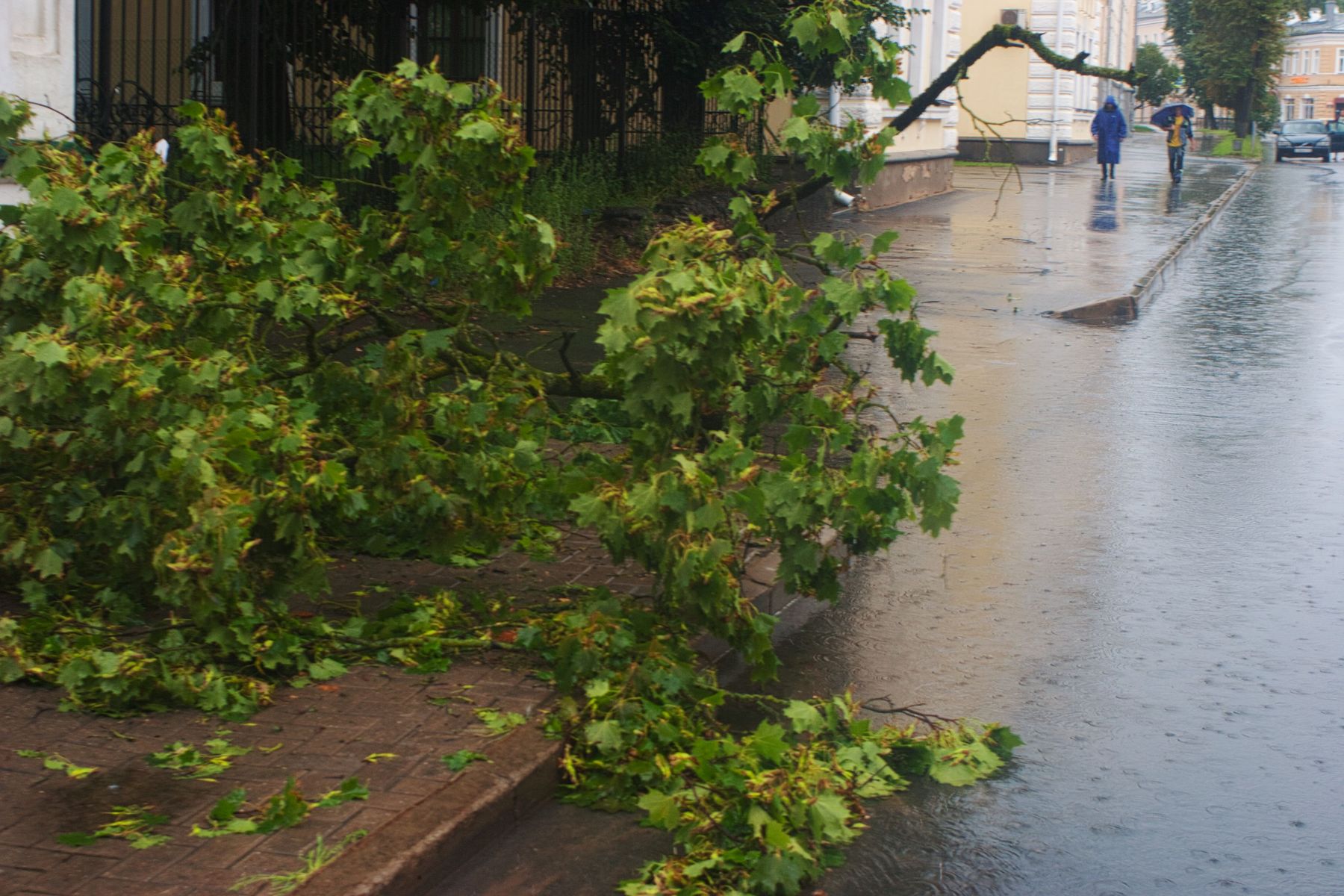
After a storm, the damage a driveway takes often happens after the rain stops, when water sits in it, debris piles on it and heavy trucks roll over it.
Most storm talk in Harahan is about roofs, trees and power, and fair enough. But a driveway takes a beating too, and some of the worst of it comes in the days after the storm passes. If you are one of the many Harahan owners who has lived with the same driveway for years, you are also the best person to spot what changed.
At TurnKey Asphalt, we repair cracks, potholes, broken edges and sunken areas, and the checks below are how you tell them apart.
If something already looks wrong, contact us and we will tell you whether it is a surface mark or a base problem.
Let’s break down what a storm does to a driveway, what to check once it is safe, and who to call in Harahan for the parts that are the city’s.
So What Does a Storm Actually Do to a Driveway?
Three things, and they tend to show up in this order.
Water Gets Under It (Through Every Open Crack)
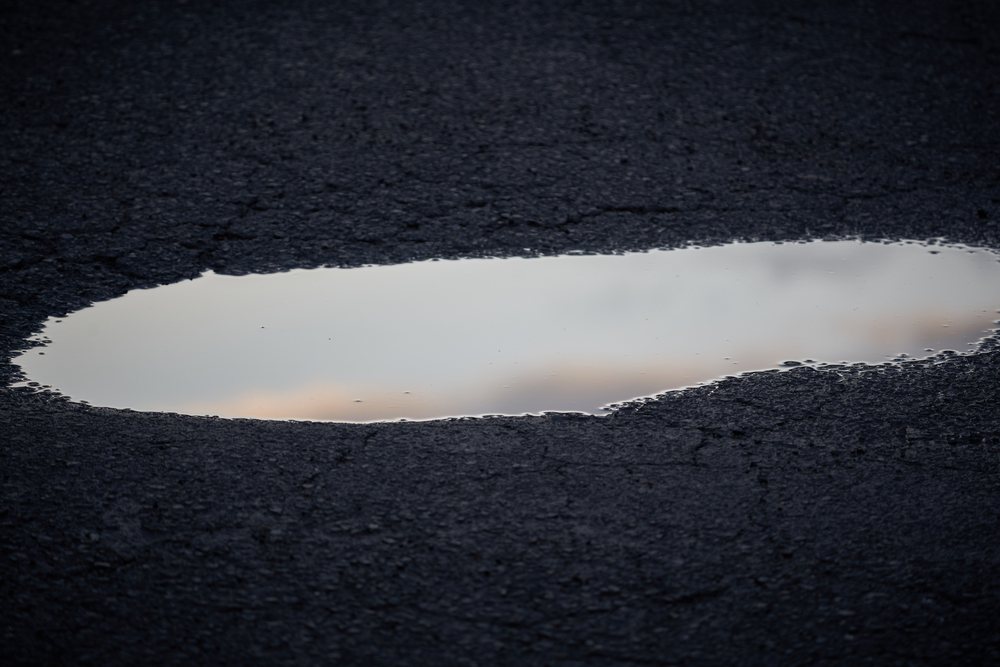 Our repair page calls a single crack a route for water. Most of the time, that is a slow problem. During a storm that drops inches of rain, every open crack lets water reach the base at once.
That is where potholes come from. A pothole usually starts as a crack that was left alone: water works its way down, the base softens and loses strength, and traffic breaks the surface once the support is gone.
Edges take a similar hit. Our repair page notes that edges typically fail where a driveway meets grass and nothing holds the asphalt in place sideways, and a soaked lawn beside them offers no help.
Trees Come Down (Check What Is Near Them)
The city’s own storm guidance says it plainly: saturated ground may lead to fallen trees. When a large tree goes over near a driveway, the pavement beside it deserves a close look.
Even where no tree fell, check the sections near large trees for anything that has lifted or cracked since the last time you looked. Our guide to live oak roots and asphalt driveways covers what root damage looks like.
Heavy Loads Show Up (Right When It Is Weakest)
After a big storm, driveways carry things they never normally see: tree service trucks, debris piles and roll-off containers. Our paving page notes that standing weight deforms a surface more readily than moving weight.
Put that weight on a driveway whose base is still wet, and it can leave dents, cracks or sunken spots that were not there before the storm.
If a truck has to use the driveway, ask the driver to stay toward the middle and away from the edges, and avoid leaving heavy items standing in one spot for days.
Okay, So What Should You Check First?
Nothing on a driveway is worth getting hurt over, so start with the city’s order of operations.
Wait Until It Is Safe (The City Is Serious About This)
Harahan’s guidance from Tropical Storm Francine was blunt: avoid immediate clean-up. The city noted that most fatalities in the parish occurred after Hurricane Ida, often due to hasty clean-up efforts.
The same post says not to touch downed power lines. If a line is down across or near your driveway, the driveway can wait.
Take Photos Before Anything Moves
The city’s flood safety post, built on FEMA’s tips, advises taking photos of your home and belongings before cleanup. Include the driveway: wide shots of the whole surface and close-ups of any new cracks, holes or lifted sections.
Photos also help us later. They show what the surface looked like before debris was dragged across it.
Walk It After the Water Drains
Our maintenance page says a surface should be checked after heavy weather rather than on a fixed date. Once the water is gone, walk the whole driveway, not just the part that looks damaged. Look for:
- New cracks, especially ones that branch or join up with old ones
- Potholes or spots where the surface has broken away
- Broken edges along the lawn, where nothing holds the asphalt in place sideways
- Soft spots that give underfoot or flex when a car crosses them
- Lifted sections near trees, whether they fell or not
Compare what you see with how the driveway looked before the storm. A crack you have watched for years is a different matter from one that opened this week.
Then, a day or two after the rain, check again for water that has not left. A dip that holds water after rain is usually a base problem showing up at the surface, according to our repair page.
Standing water that was not there before the storm is the single most useful thing to tell a contractor. Our guide to how proper asphalt drainage helps prevent long-term damage explains why it matters.
The Debris Pile Question (Where It Goes Matters)
This part is easy to get wrong, and the city has a view on it. Harahan’s Francine guidance asks residents to refrain from piling debris into the streets or over storm drains.
Debris over a drain keeps water in the street, and water in the street backs up toward your driveway apron. The city also says it will clear debris and assess damage promptly, and its annual hurricane preparedness meeting covers debris removal operations, so the street side is being planned for.
On your own property, think about where the pile and the trucks go. A few practical points:
- Keep piles off the driveway where you can, especially while the base is still wet
- Ask where a container will sit before it is dropped, since standing weight dents a soft surface
- Watch the edges where trucks turn in, since edges break where nothing holds the asphalt in place sideways
Once the pile is gone, look at the spot where it sat. Dents, cracks or a dark stain there are worth adding to your photos.
What About the City’s Side of Things?
Not everything near your driveway is yours to fix. The apron, the street and the drains belong to a different conversation.
Harahan’s Maintenance Department page says to report a maintenance issue by calling City Hall, with an online request form listed as coming soon. The city also has a Report a Concern form on its website. When you report something, the photos you took before the clean-up help show where the damage is and when it appeared.
For anything involving permits, the city names its Regulatory Department. The department has been moving its permitting, licensing and code enforcement to an online system called MyGovernmentOnline, and the city’s Regulatory Court handles property, permitting and nuisance violations. If storm repairs raise a permit question, that is where to ask before the work starts.
Looking further ahead, the city’s Planning and Zoning Committee is working on a 2045 Comprehensive Master Plan update, which covers future infrastructure needs and anticipated changes in environmental conditions.
Bottom Line
On a sound driveway, most of what a storm does comes from water getting into cracks, trees and roots shifting, and heavy loads arriving while the base is still soft.
Harahan is a town of long-term homeowners. Census data for 2020 to 2024 shows about 74.1 percent of homes are owner-occupied and about 78 percent are detached houses, and about 28.8 percent of householders moved in before 2000. You know your driveway, so trust what looks different.
The order matters too. Safety first, photos second, a slow walk over the whole surface once the water drains, and a second look a day or two later. That covers most of what a contractor will ask you.
If the damage has spread past a few spots, our list of signs it’s time to repave your asphalt driveway can help you judge how far along it is.
Want a Second Set of Eyes After the Storm?
At TurnKey Asphalt, we check the whole surface before we recommend anything, and every project comes with a free written estimate. Our asphalt repair work covers cracks, potholes, broken edges and sunken areas, and our Harahan asphalt service page lists everything we do in the area.
For upkeep between storms, our asphalt maintenance page explains how cracks get sealed before the next one.
Call us at (504) 576-9561 and we will come take a look.