

In LaPlace, the right driveway is the one built around water, because it comes from the sky, from the ground below and, in a bad storm, from the lake side of town.
Most driveway advice treats rain as a seasonal nuisance. In LaPlace, water is the main design input, and the numbers back that up. If you own a home here (and about 77.5 percent of LaPlace households do), that changes what a good repair or a new driveway looks like.
At TurnKey Asphalt, we pave and repair driveways across the New Orleans metro, LaPlace included, and water is the first thing we plan around on every LaPlace job.
If your driveway is already holding water or cracking, contact us and we will tell you what is behind it.
Let’s break down where that water comes from, and what it means for your driveway.
So What Is LaPlace Actually Dealing With?
Three things, and they stack on top of each other.
More Rain Than You Might Think (A Lot More)
 NOAA’s 1991 to 2020 climate normals for the Reserve station, about 6 miles west of LaPlace, put average yearly rainfall at 67.21 inches. That station also averages 23 days a year with an inch or more of rain.
An inch in one day is the kind of rain that tests every low spot and every open crack on a driveway. Summer alone, June through August, averages 21.44 inches at Reserve.
Soil That Stays Wet a Foot or Two Down
We ran the USDA soil survey for St. John the Baptist Parish against the Census Bureau’s LaPlace boundary. The largest single soil is Carville silt loam, at about 35 percent of the land.
The USDA’s description of the Carville series says the soil is saturated in all layers below 12 to 30 inches from December through June in normal years. That is the ground your driveway base sits on, and its rating for local roads flags low strength and depth to a saturated zone.
The same description adds that Carville stays saturated within 30 inches of the surface for periods of up to a month in normal years. A base built on top of that has to stay firm while the soil under it is wet for weeks at a time.
Water That Can Come From the “Wrong” Side
This one is easy to overlook. St. John the Baptist Parish’s own flood page uses LaPlace during Hurricane Isaac in 2012 as its example of backwater flooding.
The levee faced the Mississippi River, and water came in from Lakes Maurepas and Pontchartrain on the other side. The parish also notes that flood water collects in low areas and land that is prone to subsidence or sinking.
Okay, So What Does That Mean for a Driveway?
Real talk: none of this means asphalt is a bad choice in LaPlace. It means the parts of the job you never see matter more here than the part you do.
Build the Base for Wet Ground (Not a Dry Week)
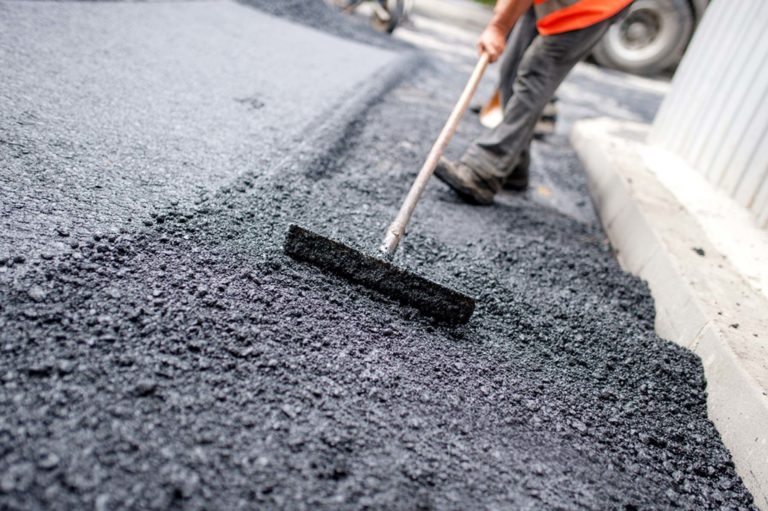
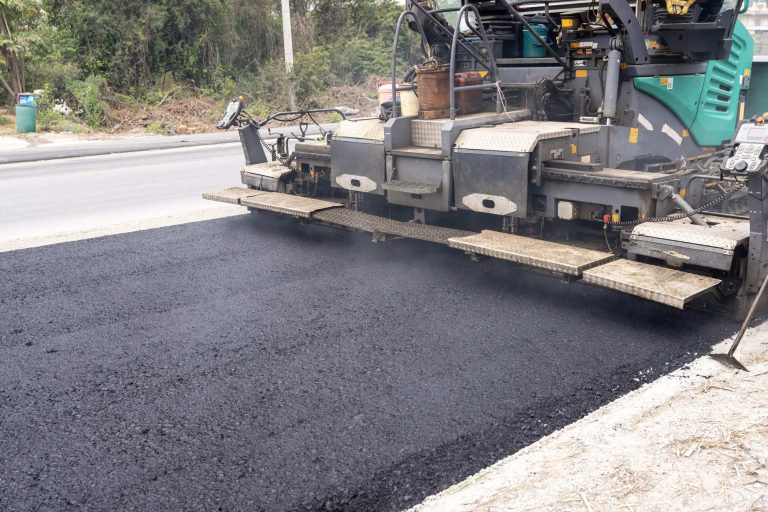
A driveway is layers. Our installation work starts with clearing and shaping the ground, then building and compacting a stone base, then laying the asphalt and compacting it while it is hot.
On soil that is saturated a foot or two down for half the year, the base is what keeps the surface from moving. A driveway built during a dry stretch still has to carry a car in April, when the ground below is saturated.
Get the Levels Right Before Anything Else
The levels decide whether rain runs off the driveway or sits on it, and they have to be set before any material arrives. Once the asphalt is down, they cannot be changed without taking it up again.
The USDA places Carville soils on nearly level natural levee ground, so a typical LaPlace lot has little natural fall to help. The slope has to be built in.
Our guide to how proper asphalt drainage helps prevent long-term damage goes deeper on grading and slope.
Treat Every Crack as a Door for Water
A single crack is a small sealing job. Left alone through a wet season, it lets water reach the base, and in LaPlace that season is long. Routine asphalt maintenance is mostly about finding cracks while they are still single lines, ideally right after heavy weather.
Watch the Edges Next to the Lawn
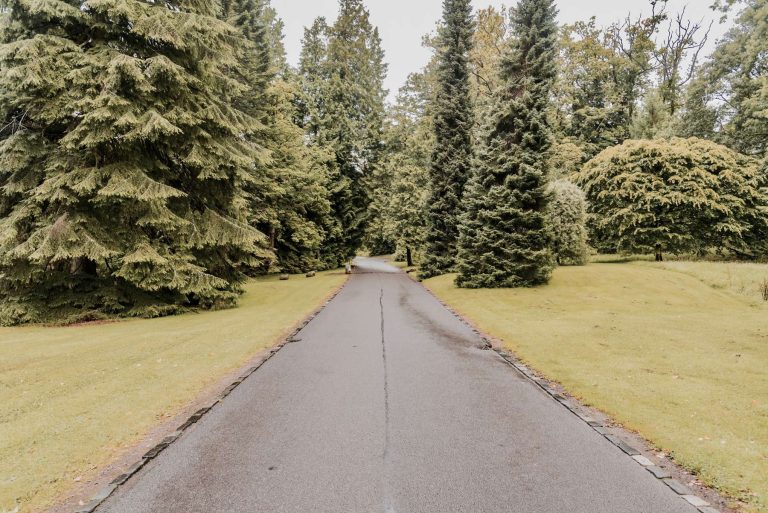
The edge is the weakest part of most driveways. Edges typically break where the asphalt meets grass and nothing holds it in place sideways.
In LaPlace, that edge often sits beside a lawn that stays soft after rain. Crumbling or tilting along the border is usually the first place a tired base shows itself, so it is worth a look after every big storm.
Ask These Questions Before Work Starts
Whoever you hire, a few questions tell you whether water is part of the plan:
- Where will the water go when it leaves the driveway?
- How will the levels be set, and are they set before any material arrives?
- How deep will the base be, and how is that decided for this soil?
- Where does the old asphalt and stone go once it comes out?
- What weather would stop the work, and what happens to the dates if it does?
Our estimates put the scope, the dates and what the weather would have to do to stop us in writing before anything starts.
For the year-round version of that routine, see our post on how to maintain your asphalt driveway year-round.
The Flood Question (Worth Asking Before You Pave)
Here’s a step that is easy to leave out. Before planning a new driveway or a full rebuild, look up your property’s flood hazard information.
St. John Parish points residents to an online property lookup at stjohnla.withforerunner.com/properties for that. The parish also says that developments in the Special Flood Hazard Area have specific elevation requirements.
The parish’s guidance is simple: before any construction, development or flood retrofitting, check with Parish Planning and Zoning. If you are changing more than the surface, that call is worth making first.
Knowing your flood risk also helps with the practical choices. A driveway that may see standing water now and then needs its levels and edges planned for that from the start.
What About the Ditch Out Front?
LaPlace is a single-family town. About 82.5 percent of its housing units are detached homes, so most driveways meet a street, and the street’s ditch or catch basin is where their runoff usually ends up.
That ditch matters to your driveway. If water cannot leave the street side, it backs up toward the pavement.
The parish asks residents to help by clearing the catch basins in front of their property. It is also blunt about the other side of that: under section 26:150 of the St. John Parish ordinance, dumping debris in catch basins or in drainage ditches and canals is prohibited and punishable by a fine.
The parish says its Public Works Department runs a regular program of drainage system maintenance, but the catch basin in front of a home is the part each owner can help keep clear.
That applies during driveway work too. Old asphalt, stone and loose material have to leave the site, not end up in the ditch.
Bottom Line
LaPlace driveways do not fail because asphalt is the wrong material. They fail when the base, the levels or the cracks let water win. The homes here are mostly from the 1970s onward, with a median year built of 1985, so plenty of driveways are now old enough for those weak points to show. About 21.9 percent of LaPlace homes were built from 2000 to 2009 alone, which puts a large group of driveways at roughly two decades old.
Plan for the rain, the wet ground and the backwater risk, and an asphalt driveway can hold up well here. For an honest look at the trade-offs, our post on the pros and cons of asphalt for residential driveways lays them out.
Want a Straight Read on Your Driveway?
At TurnKey Asphalt, we look at how water reaches and leaves your driveway before we recommend anything, from a crack repair to a full new asphalt installation. Our LaPlace asphalt service page covers everything we do in the area.
Call us at (504) 576-9561 and we will come take a look.