Table of Contents
1. Key Takeaways
2. Understanding Asphalt Types
- What is Hot Mix Asphalt?
- What is Cold Mix Asphalt?
- Key Differences in Composition and Application
3. Performance Characteristics of Hot Mix and Cold Mix Asphalt
- a. Durability and Longevity
- b. Weather and Climate Suitability
- c. Traffic Load and Structural Strength
4. Environmental Impact of Asphalt Choices
- Energy Consumption and Emissions
- Recyclability and Sustainability
- Innovations in Eco-Friendly Asphalt Technology
5. Common Applications for Each Asphalt Type
- Best Uses for Hot Mix Asphalt
- Ideal Scenarios for Cold Mix Asphalt
6. Consult With an Asphalt Expert
The selection of hot mix or cold mix asphalt is fundamentally dependent on the unique needs of the given project, such as budget and climate. Hot mix is ideal for long-term, permanent endurance in heavily loaded areas like highways and parking lots.
Cold mix is suitable for temporary, rapidly required repairs in cold weather, such as potholes. Hot mix in humid, hot climates like New Orleans typically holds up better on big jobs. Knowing these differences outlined by TurnKey Asphalt allows you to choose the best one for your asphalt project. If you’re unsure which option works best for your needs, give us a call and we’ll walk you through the right choice. Let’s make sure your pavement stays strong and reliable for years to come.
Key Takeaways
- Hot mix asphalt performs truly well in heavy traffic zones, such as highways and business parking lots. Its higher durability renders it quite ideal for applications that experience heavy loads. This is partly because it needs warmer weather to install and compact.
- Cold mix asphalt provides flexibility for fast, temporary repairs. This makes it especially useful in cold-weather regions and for short-term, emergency repairs! Although less long-wearing, it is easier to install without specialized hardware.
- Hot mix asphalt is more structurally sound and durable, so it is best used for projects intended to last. Cold mix asphalt is better suited for use in emergency or temporary repairs.
- Climate weather considerations should be a primary factor when selecting the asphalt type. Hot mix works best in warm, dry conditions, and cold mix is better suited for colder or wetter areas.
- Hot and cold mix asphalt both have their environmental effects. Hot mix requires more energy during production, but both can and should utilize recycled products to make them more sustainable.
- For the hot climate of New Orleans and highly frequent temperature changes, hot mix asphalt is highly recommended for permanent roads, but cold mix can be used to provide temporary pothole repairs during such sudden weather.
Understanding Asphalt Types
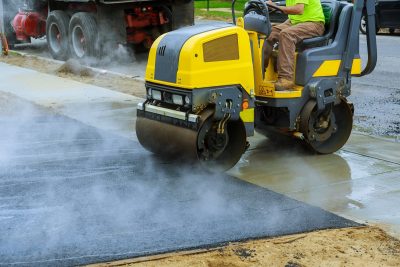
Asphalt type choice is paramount in providing a long-lasting, efficient, cost-effective paving material. All these asphalt types—hot mix, warm mix, and cold mix—provide different attributes that are suitable for their different uses. The two most popular types have been explained in detail below.
What is Hot Mix Asphalt?
Hot mix asphalt (HMA) is produced at very hot process temperatures of approximately 300 to 350°F in a major commercial plant. Hot mix asphalt is approximately 95% aggregate (gravel, sand, or stone). The aggregate is mixed with the binder (asphalt cement).
What is Cold Mix Asphalt?
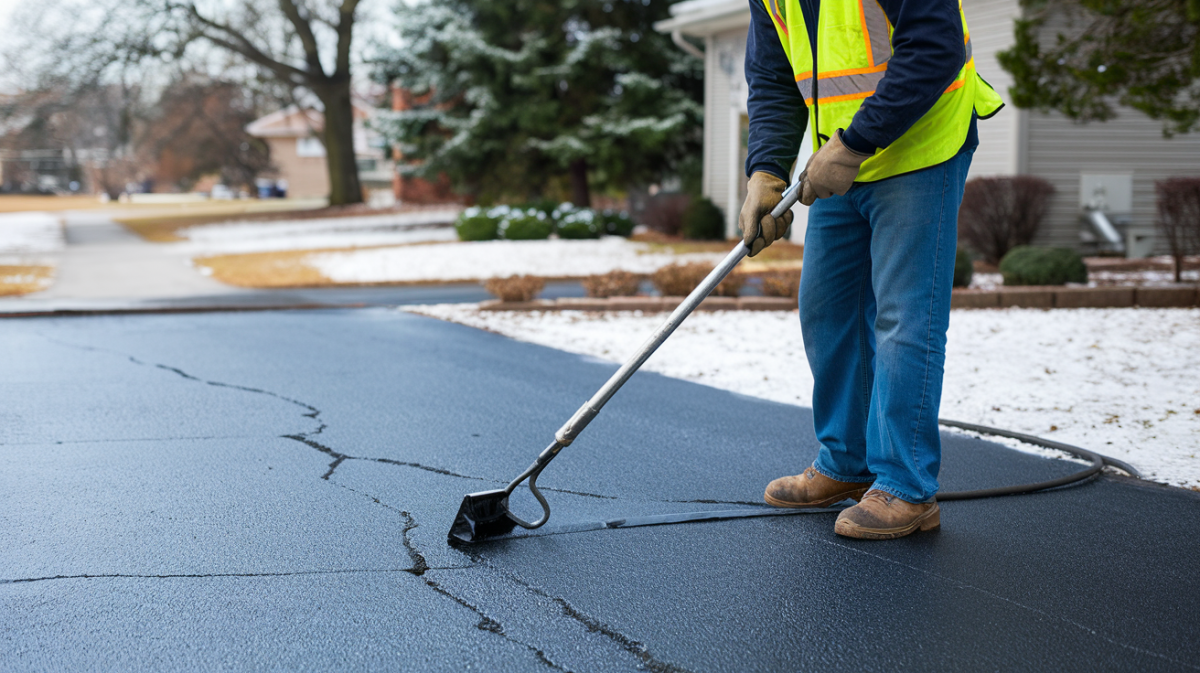
Cold mix asphalt (CMA) is used at ambient temperatures. This attribute makes it convenient for temporary repairs in emergencies. It’s a strong choice, particularly for those short-term, temporary repairs. For instance, it works great for winter pothole patching and patching rural low-volume roads.
Key Differences in Composition and Application
Temperature requirements, durability, and purpose are key differences between HMA and CMA. Where HMA excels for long-term, high-stress use, CMA excels in temporary restoration and colder weather. Choosing the right type is crucial and will depend on factors like expected traffic volume, climate, and the goals of the project.
Performance Characteristics of Hot Mix and Cold Mix Asphalt
Coming to an educated choice on whether or not to employ hot mix versus cold mix asphalt should start with an understanding of the way in which each is performing in certain applications. Both contain particular properties that make each suitable for its specific applications, depending on expected longevity, climate, and traffic level.
1. Durability and Longevity
Hot mix asphalt is formulated to be a long-lasting product. The dense mixture of binder and aggregates gives HMA unmatched strength and lifespan, making it a great product for high-capacity highways.
Heated between 300-325 degrees Fahrenheit, the high heat molten aggregates, such as gravel and sand almost undetectable. It creates better durability and lifespan, and it’s perfect for highways, parking lots, and more.
Conversely, although cold mix asphalt will exhibit higher flexibility properties, it will possess lower durability properties when applied to heavy-use applications. It’s just perfect for potholes and other quick repair jobs!
For instance, it’s particularly suitable for winter pothole patching because it does not need pre-heating for application. Innovations have significantly enhanced cold mix formulas. Yet its longer curing time and lesser structural strength imply it is more appropriate for low-traffic roads or temporary repairs.
2. Weather and Climate Suitability
Hot mix asphalt requires higher temperatures, 40 degrees Fahrenheit being best. The fact that it has a short set time—the road can open in just a few hours—means that it is not suitable for weather delays.
Cold mix asphalt is amenable to a number of applications, particularly in cold climates. It can be applied at temperatures as low as 10 degrees Celsius, making it the winter repair choice of preference.
3. Traffic Load and Structural Strength
In the case of heavy traffic load, hot mix asphalt is preferred for the performance characteristic of forming thick, strong layers. Cold mix, while practical for surface layers or lighter loads, lacks the structural integrity needed for heavy vehicles or sustained usage.
Common Applications for Each Asphalt Type

The decision between Hot mix vs. Cold mix asphalt is primarily determined by the intended application and prevailing environmental conditions. It weighs considerations like traffic loads, temperature, and urgency of the project.
Best Uses for Hot Mix Asphalt
The most commonly used flexible pavement material is HMA. It is resistant, strong, and easy to install quickly, so it is best suited for arterial roads and highways.
These surfaces are under extreme loads and need the most amount of durability. Airports, for instance, need HMA for their runways. Its special characteristics that enable it to support heavy loads and remain smooth and resilient even when subjected to extreme pressures make it the ideal material.
HMA works particularly well in areas with hot climates since the mix needs hot temperatures for proper installation and curing. For heavy-duty, wide-use projects like cross-country interstates or big city facilities, the performance and longevity of HMA cannot be beaten.
Ideal Scenarios for Cold Mix Asphalt
It’s a go-to solution for property managers to use during the winter months when hot mix is not possible. It sticks better to old pavement, even at room or freezing temperatures. This simple installation makes it a wonderful choice for temporary or emergency repairs.
CMA’s flexibility makes it an ideal choice for sidewalks, rural roads, and low-traffic lots where strong, heavy-duty pavement isn’t needed. Due to its easy application process, CMA is a budget-friendly choice for keeping roads accessible in cold or wet weather.
Consult With an Asphalt Expert
Deciding between cold mix asphalt and hot mix asphalt can seem overwhelming, but the best choice is based on your project requirements, timeline, and budget. Both have advantages, so it is only prudent to choose the material depending on your intention.
In case of uncertainty, take advice from TurnKey Asphalt, your local asphalt specialist. We’ll make sure you select the best option and receive the maximum return on investment. Call us today to discuss your project, and let’s get your pavement done right the first time. We’re here to guide you every step of the way.



 By TurnKey Asphalt
  Aug 10, 2025