

Table of Contents:
1. Key Takeaways
2. Asphalt or Gravel: Key Differences
- a. Composition and Texture
- b. Maintenance Requirements
- c. Weather Performance
3. Understanding Asphalt Paving
- Benefits
- Drawbacks
- Best Uses
4. Understanding Gravel Options
- Benefits
- Drawbacks
- Best Uses
5. Durability Showdown: Asphalt vs. Gravel
- a. Climate
- b. Usage
- c. Soil Type
- d. Maintenance
6. Choosing the Right Surface—Asphalt vs. Gravel for Your Property
You will need to make your choice between asphalt and gravel based on durability, price, and upkeep. Asphalt is durable and smooth, ideal for parking lots and driveways. Gravel is less expensive and easier to install than. Both offer their benefits in residential, rural settings, and more.
This article will assist you in making the right choice between the two for your purposes. For premium asphalt materials and services, TurnKey Asphalt is here to assist you with commercial lots, driveways, and repairs. Call today for your free estimate and start improving your property!
Key Takeaways
- With asphalt, you’ll achieve the smooth, shiny look of asphalt. It’s an ideal choice for urban areas, high-traffic driveways, and properties needing a more professional look. Gravel also offers a more natural, rustic look, which makes it a great choice for rural or more budget-friendly homeowners.
- Gravel is cheaper to buy upfront and cheaper to install with less manpower, which makes it a better DIY option. Regular maintenance will still be able to make the strength and longer lifespan of asphalt a better long-term investment, though.
- Maintenance on asphalt consists of periodic sealcoating and crack sealing. Gravel must be periodically raked, replenished, and prevented from migrating and weather damage.
- Asphalt is ideal for snowy weather and heavy traffic areas, yet it softens in extremely hot weather. Also offering better drainage and traction is gravel. However, the downside is that it can make mudholes in wet weather and ruts under extreme traffic.
Asphalt or Gravel: Key Differences
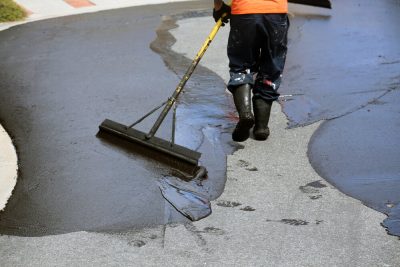
Selecting the optimal paving material for the next paving endeavor involves comprehending the differences between asphalt and gravel driveway solutions. Both surfaces differ in their composition, texture, maintenance needs, and performance in various environments.
1. Composition and Texture
Asphalt, a mixture of bitumen and aggregates, produces a firm, dense material that results in a hard, smooth surface and is therefore a good driveway material for auto travel and pedestrian use.
Conversely, a gravel driveway presents a coarser surface with irregularly shaped and sized aggregate stones, giving a more natural, rural look that suits countryside settings. Such makes gravel a favorite among those who desire a more traditional look for their driveway.
2. Maintenance Requirements
- Asphalt: Requires sealcoating every 2–3 years to avoid cracking and water damage. It requires only infrequent crack fixing to prevent it from degrading.
- Gravel: Demands frequent raking to redistribute displaced stones, refilling potholes, and replenishing the top layer every 1–3 years. Weed control becomes even more important, particularly in warmer areas.
3. Weather Performance
Asphalt works better in rainy, snowy, or icy conditions because it has a dark, even, non-porous surface, thus making it an excellent driveway material for better snow and ice melting. A gravel driveway, on the other hand, can collapse under harsh weather conditions; heavy rains wash away stones, and one cannot shovel snow without pushing gravel around. Gravel is also more resistant to heat damage than asphalt, which in hot conditions melts.
Understanding Asphalt Paving

Asphalt is a petroleum-based substance that is most often used to build long-lasting driveways. Its main ingredient, asphalt binder, blends with gravel and sand and thus is inexpensive. The blend creates a hard yet flexible surface that will absorb wear and tear and weather changes without cracking.
It is also widely used for business parking lots and driveways due to its strength and appearance. Asphalt millings, a recycled form, are becoming increasingly popular for environmentally responsible paving.
Benefits
The following benefits property owners receive from asphalt:
- Smooth Ride Surface: A highly smooth finish in asphalt ensures perfect traction for cars, improving the ride to be safer and more comfortable.
- Durability: Insulated and well-installed asphalt can withstand heavy use and harsh weather, from cold winter seasons to hot summer seasons.
- Low Maintenance Needs: Asphalt is easier to maintain compared to gravel. Periodic clean-up routinely, as well as sealcoating at two to three-year intervals, can give the longest life of any.
- Longevity: With maintenance, an asphalt driveway lasts 12–35 years, depending on the quality of installation and environment.
Drawbacks
Despite that, asphalt does have some disadvantages:
- Higher Upfront Cost: At $2–$5 per square foot, asphalt installation is more expensive than that of gravel.
- Maintenance Needs: Sealant has to be reapplied periodically to prevent cracks, which worsen with time.
- Environmental Impact: Being petroleum-derived, asphalt has a higher environmental footprint than the natural material of gravel.
- Heat Sensitivity: Asphalt melts and becomes misshapen in heat.
Best Uses
We also suggest asphalt for heavy-use areas in urban areas where a greater degree of durability and professional appearance might be preferred. It’s also a great choice for winter climates, as it makes it so easy to shovel. The durability, appearance, and beauty of asphalt make it ideal for commercial real estate, including parking lots and highways.
Understanding Gravel Options
Gravel is made up of tiny, man-made or natural pebbles and is employed most frequently on driveways. Americans like to employ it on driveways, sidewalks, or a lawn, usually loose.
It’s inexpensive and versatile, and thus it’s the popular choice of homeowners. Gravel comes in various types, including pea gravel, crushed stone, and regular gravel, differing in texture and size. Due to its affordability and ease of installation, gravel suits outdoor areas.
Benefits
Gravel is an inexpensive choice for driveways, ranging from $1,200 to $1,500. It is inexpensive enough to attract homeowners and businesses alike. Gravel also drains well, which reduces the possibility of flooding and provides good traction for vehicles. It also presents well in country or woodland settings and comes in a variety of colors, from brown earth tones to grays, to meet any design requirements.
Drawbacks
Gravel driveways can produce dust and debris, particularly when dry. They require regular maintenance in the form of raking to pack in washboarding and resupply gravel where washed out. Heavy use or bad weather can cause it to become uneven. In rainy weather, the gravel can produce washboarding and muddy patches, and is more trouble to maintain. In snow country, snowplowing will redistribute the gravel and, therefore, is not as popular a choice.
Best Uses
Gravel is perfectly suited to rural, big-property applications and roads that are rarely or lightly traveled. It’s an ideal surface where there is excellent natural drainage already and low traffic use.
For the environmentally friendly homeowner who wants an inexpensive, natural appearance, gravel is an extremely sought-after option. It’s a wonderful option for secondary or short-term driveways, giving great durability and function without the significant investment of a long-term installation.
Durability Showdown: Asphalt vs. Gravel
Perhaps the most compelling deciding factor in choosing an asphalt driveway over a gravel driveway is durability. Both materials have their strengths and weaknesses depending on usage, weather conditions, and maintenance, so it is important to inform yourself about each of their benefits when it comes to your driveway installation.
-
Climate
Asphalt is appropriate for snowy climates because the smooth texture of asphalt renders snow and ice simple to eliminate, but excessive heat can ruin it. Gravel roads are appropriate for rainy conditions due to drainage, but they become muddy patches once wet. It is hard to maintain a gravel driveway during winter because plowing snow will scatter the stones, and there is more maintenance.
-
Usage
Asphalt is more durable and is best suited for busy locations such as commercial parks, parking lots, and driveways. Asphalt can withstand much weight and is always even. Gravel driveways are less expensive but require to interchange of positions with frequent usage, so they are less suitable for congested areas.
-
Soil Type
Both asphalt and gravel driveways need a stable base to be long-lasting. Gravel is compatible with all types of soils, compacting well over sandy subgrades. A dense-grade crushed stone that is 4–6 inches thick adds strength and drainage. Asphalt, however, demands careful grading upon installation, since a poor foundation will result in surface cracks and issues down the line.
-
Maintenance
Seal your asphalt driveway every two to three years. If properly maintained, it can last for 30 years and requires repaving every 10 years. Meanwhile, a gravel driveway needs re-grading and topping up every one to three years; thus is cheaper.
Choosing the Right Surface—Asphalt vs. Gravel for Your Property
Each of these has its strengths, yet one might be more suitable for you. Asphalt gives a smooth road, ideal for high-traffic conditions, whereas gravel is cheaper with less expense in installation and maintenance, hence suitable for rural settings. Your decision depends on traffic conditions, climate, and plans.
In case you are not sure what to do, our experts at TurnKey Asphalt are available to guide you. We provide excellent paving solutions for commercial, industrial, and residential developments such as driveways, parking lots, and asphalt fix-ups. Call us today for a free quote and begin your long-lasting surface!