 By TurnKey Asphalt
  Jul 18, 2025
 How Asphalt Paving Enhances Property Value and Curb Appeal
Table of Contents Key Takeaways How Asphalt Paving Boosts Value a. Visual Impact b. Financial Return c. User Experience d. Long-Term Savings e. Brand Perception The ...


Experienced Professionals Delivering High-Quality Asphalt Services


Call Us Today!

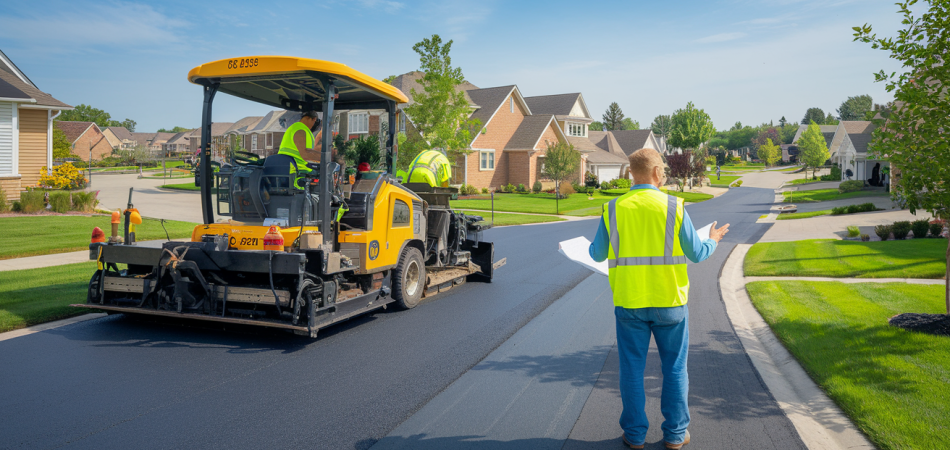
Avoiding the most common asphalt paving mistakes from the start helps prevent costly repairs and premature deterioration. Issues like improper base preparation, incorrect asphalt thickness, and poor drainage lead to cracks and potholes far sooner than expected.
TurnKey Asphalt prioritizes careful planning, top-quality materials, and expert craftsmanship to ensure strong, long-lasting surfaces. Addressing these common mistakes upfront keeps paved surfaces smooth, durable, and cost-effective for years. Want to make sure your paving project starts off right? Reach out to us today for expert advice and reliable solutions.

Errors in asphalt paving usually result from inadequate planning, inexperience, miscommunication, and ignoring site conditions. These generate pavement weaknesses that result in high repair or replacement costs. Nipping these frequent issues in the bud ensures long-term outcomes.
An asphalt surface is structured with a solid basis. Floor analysis, classification, and accurate cleaning are the necessary processes to avoid uneven settings. There is an accurate asphalt mixture that is also very important—the factors that are heavier for heavier flow for mixtures are harder, while areas may repeat the freezing and defrosting cycles that require flexibility.
Temperature adjustment is also very important. Sugar must be at the beach from 275 °F to 300 °F for accurate installation. There is no appropriate compression, and airbags are created, causing surface incidents on the road.
Selecting an experienced contractor ensures proper soil testing, grading, and base preparation. Signs of poor preparation, such as standing water or uneven surfaces, indicate potential long-term issues. A well-prepared base directly impacts asphalt longevity, preventing premature failure.
Miscommunication creates expensive errors, like placing the wrong asphalt mixture. Busier highways require a tighter mixture, and colder climates necessitate a more elastic one. Getting advice from asphalt specialists ensures that appropriate specifications are adopted.
Some of the common choices are dense-graded asphalt for roads and stone matrix asphalt for heavy-duty sections.
Adequate site inspection takes into account the temperature, weather, and traffic load. Asphalt needs to be placed between 50°F and 90°F when the weather is dry to prevent substandard curing. Proper material temperature is maintained with equipment like infrared thermometers, which helps to improve durability.
Asphalt paving requires attention and consideration for every detail to produce a durable, high-quality surface. Poor installation leads to premature failure, costly repairs, and higher maintenance. Follow these steps to avoid typical mistakes and improve results.
A stable base prevents premature pavement failure. Asphalt thickness must match usage needs.
Weak or unstable soil requires stabilization to prevent cracking. Too-thin asphalt wears out quickly, while an overly thick application wastes resources.
Choosing the correct mix ensures durability. Driveways need a minimum 2% slope to prevent water pooling. Regular maintenance, such as clearing drains and resealing every two to three years, extends the surface lifespan.
Asphalt must be installed at the right temperature to bond correctly. If applied when too cold or during rainy weather, it weakens over time. Checking weather conditions and using temperature monitoring tools improve installation quality.
Compaction strengthens asphalt through air pocket elimination. Without it, surfaces develop cracks. Vibratory rollers ensure even density, preventing defects like raveling or depressions.
Proper thickness depends on the expected use. Thin asphalt fails under pressure, while excessive thickness increases costs without added benefits. Following recommended guidelines balances durability and efficiency.
Water damage accelerates asphalt breakdown. Slopes should be at least 2% to ensure runoff. Regular maintenance prevents debris buildup and blockages that can cause pavement deterioration.
Paving in cold or wet conditions weakens asphalt. Scheduling work in favorable weather improves pavement longevity and performance.
Small cracks and potholes develop further if not treated. Immediate repairs with crack fillers or patching compounds avoid deterioration and expensive replacements.
Low-quality materials may be more affordable in the short term but require frequent repairs. Money spent on good-quality asphalt and additives pays off in the long run.
Joints are weak points where cracks often form. Smooth, water-resistant joints result from proper construction methods, such as overlapping edges and thorough compaction.
Skipping essential preparation steps leads to costly repairs and shortens pavement lifespan. Careful planning and experienced contractors prevent these issues.
Unstable soil causes cracking and potholes. Testing soil stability ensures a solid foundation for long-lasting asphalt surfaces.
Proper grading prevents water accumulation. Well-calibrated grading equipment ensures even surfaces, reducing erosion risks.
A compacted base evenly distributes weight, preventing dips and deformations. Skilled operators using advanced equipment create a solid foundation.
Even with solid preparation, mistakes during execution compromise pavement quality. Proper techniques and equipment usage ensure durable results.
Asphalt must be compacted hot (250°F–300°F) to form firm bonds. The application of vibratory rollers removes air pockets, eliminating early cracks and potholes.
Cold or damp conditions inhibit the proper curing of asphalt, causing premature deterioration. Scheduling projects in moderate weather improves outcomes.
Poorly maintained tools cause defects like raveling, where aggregate separates from asphalt. Cleaning and inspecting equipment before use improves results.
Uneven application leads to depressions and water retention. Proper leveling and compaction ensure each layer bonds correctly.
Prevention of asphalt paving errors involves careful planning, competent application, and regular maintenance. Clean equipment and quality control ensure strong, long-lasting pavement.
Regular checks and cleaning maintain equipment at its best, averting delays and quality problems in projects.
Assessing soil stability, drainage, and slope before paving prevents future problems. Regular inspections during and after installation catch imperfections early.
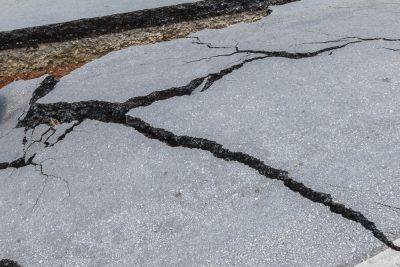
Paving errors have long-lasting issues, both functional and cosmetic. Bad craftsmanship and wrong techniques commonly destroy roads, decreasing curb appeal and maintenance costs.
Here’s a closer examination of these issues.
Inadequate compaction and drainage permit water ingress, speeding up wear and tear. Advanced paving technologies like infrared monitoring improve precision.
Regular repairs accumulate over time. Asphalt mixtures with polymer enhancements improve flexibility and durability.
Uneven surfaces and poor joint construction create trip hazards and slippery conditions. Real-time monitoring tools ensure proper material placement.
Poor paving methods cause discoloration, tire marks, and uneven surfaces. Specialized paving equipment helps achieve a smoother, more even finish.
Poor planning and low-quality materials lead to cracks, raveling, and costly repairs. Proper prep, expert execution, and routine maintenance keep asphalt surfaces strong and durable.
A well-installed asphalt surface not only improves curb appeal but also adds long-term value to your property. Investing in professional services helps prevent early wear and saves money over time. Let our experienced team help you make the right choice for lasting results. TurnKey Asphalt ensures your project is built to last. Contact us today for expert guidance and quality results!
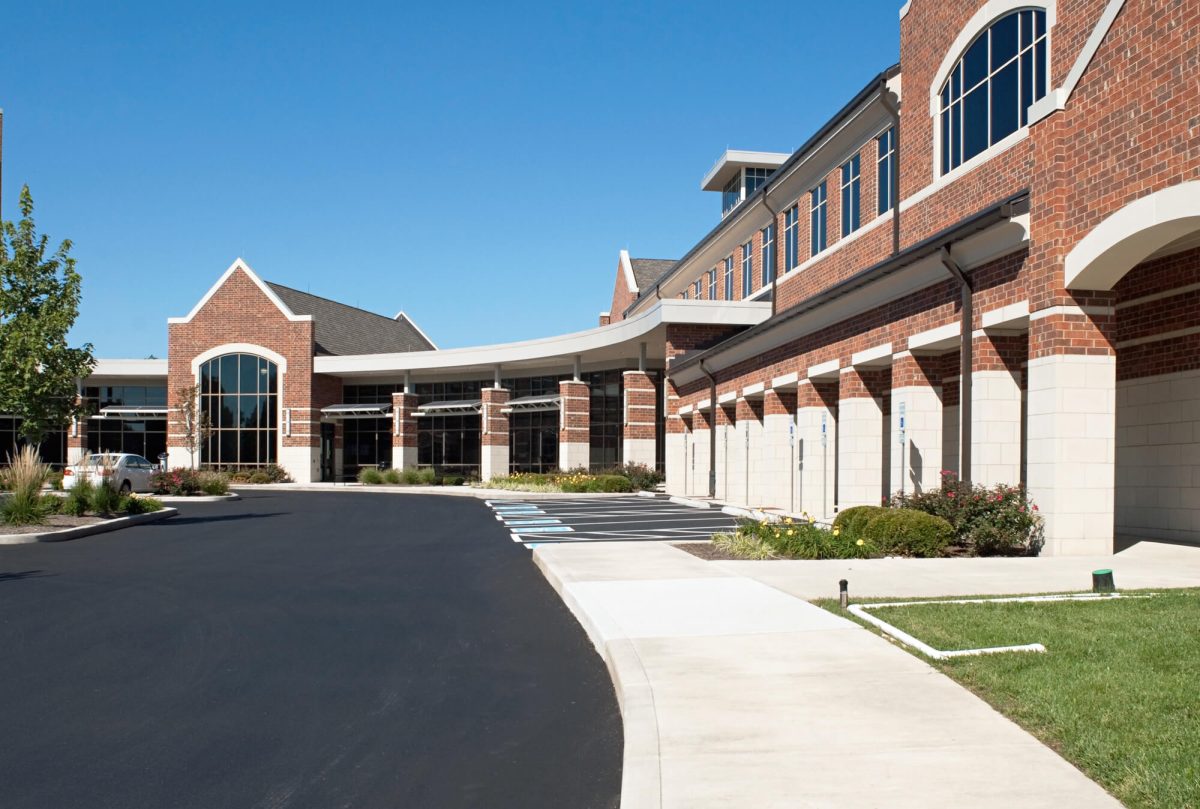
Table of Contents Key Takeaways How Asphalt Paving Boosts Value a. Visual Impact b. Financial Return c. User Experience d. Long-Term Savings e. Brand Perception The ...

Table of Contents Key Takeaways Understand Asphalt's Lifespan Proactive Asphalt Maintenance Cycle a. Routine Inspection b. Thorough Cleaning c. Immediate Crack Sealing d. S...

Table of Contents Key Takeaways Why Choose Asphalt? a. Financial Sense b. Lasting Strength c. User Safety d. Quick Installation e. Visual Appeal The Lifecycle Cost A...

Table of Contents Key Takeaways Why Choose Asphalt? a. Cost-Effectiveness b. Durability c. Installation Speed d. Maintenance Ease e. Visual Appeal The Environmental ...
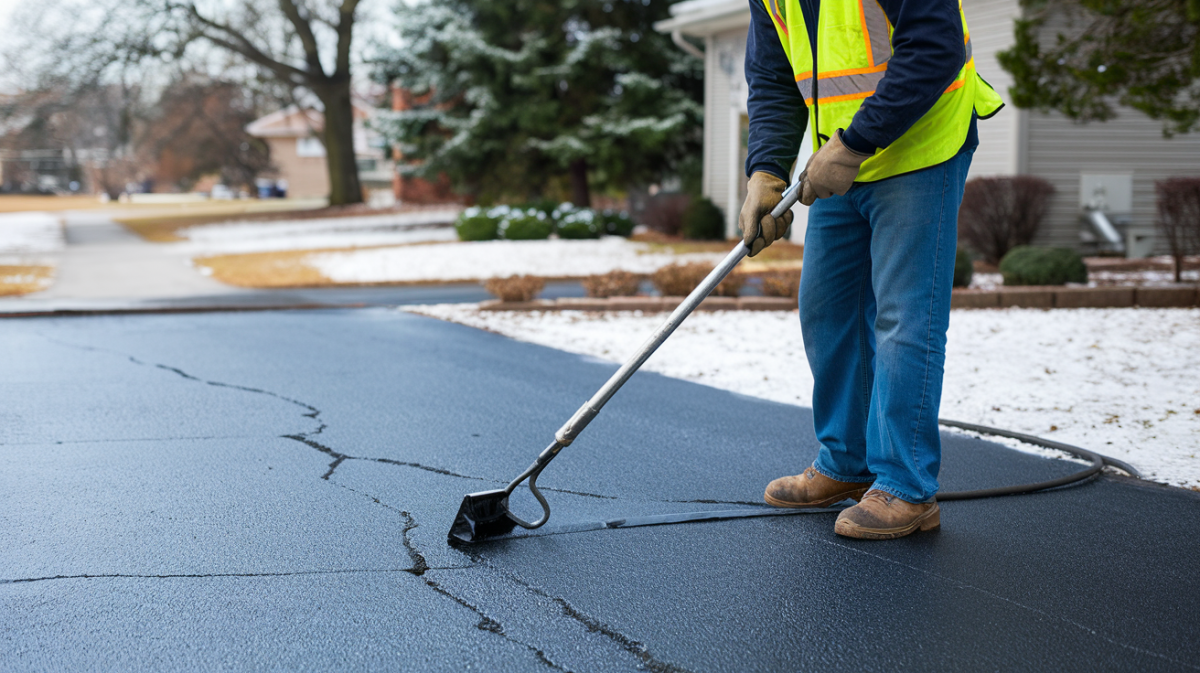
Table of Contents 1. Key Takeaways 2. Recognizing Early Signs of Asphalt Wear a. Identifying Small Cracks and Splits b. Spotting Surface Discoloration and Fading c. Detecting Water P...
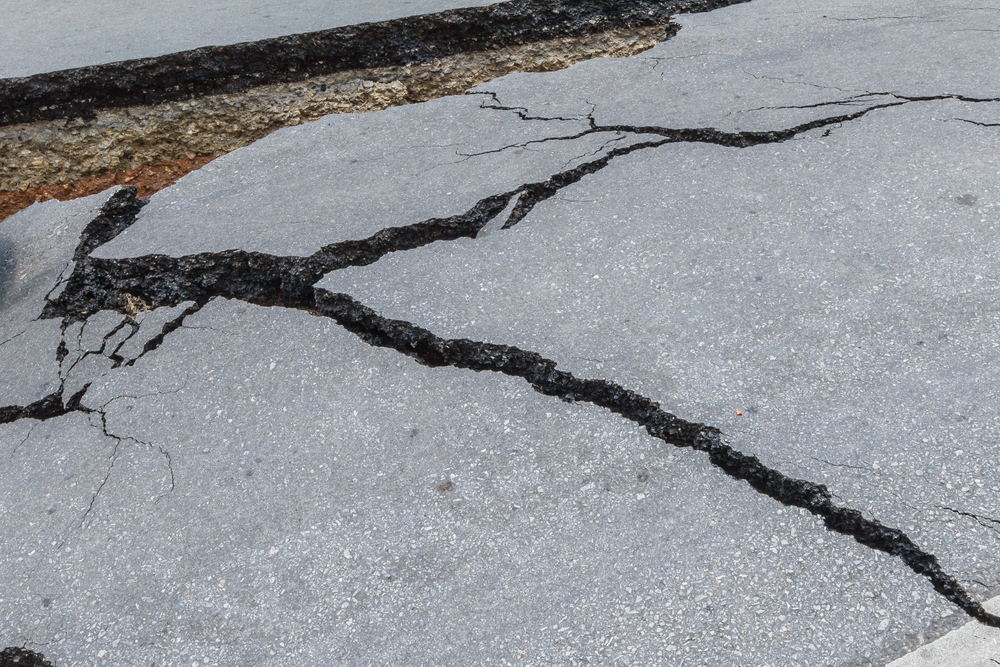
Table of Contents: Key Takeaways Why Asphalt Fails Water Intrusion Sun Exposure Heavy Loads Poor Foundation Identify Common Asphalt Problems a. Cracking Patterns ...