By TurnKey Asphalt
  Aug 20, 2024
 Essential Maintenance Tips to Keep Your Asphalt Looking New
Table of Contents Key Takeaways Understand Asphalt's Lifespan Proactive Asphalt Maintenance Cycle a. Routine Inspection b. Thorough Cleaning c. Immediate Crack Sealing d. S...


Experienced Professionals Delivering High-Quality Asphalt Services


Call Us Today!

Asphalt, a vital part of our roads and driveways, faces constant challenges from the weather. From the intense heat that softens it to the freezing cold that causes cracks, and the ongoing freeze-thaw cycles that make things worse, weather plays a large role in how long asphalt lasts.
Understanding how different weather conditions impact asphalt is important, as it reveals why road and driveway maintenance is more complicated than it seems. Let’s explore how hot summers and freezing winters affect asphalt, and why it’s essential to take care of this everyday material.
At TurnKey Asphalt, we make sure your pavement stays strong year-round. Protect your investment—get in touch with us today!
When temperatures rise, asphalt expands. This natural response may seem harmless at first but can lead to serious damage over time. High temperatures soften asphalt, making it more vulnerable to further problems.
 Thermal Expansion
On softened surfaces, heavy vehicles leave behind ruts and impressions. These aren’t just cosmetic flaws; they compromise the structure of the pavement. As temperatures rise, the risk of damage increases, leading to water infiltration and a need for repairs.
Extended sun exposure can be harsh on asphalt. UV rays cause oxidation, which is a natural process during the curing of freshly laid asphalt. However, too much exposure makes the asphalt brittle. Brittle asphalt cracks under traffic and temperature changes, and these cracks can lead to more extensive damage if not addressed.
Cold weather, especially in areas prone to freeze-thaw cycles, can quickly damage asphalt surfaces. Water seeps into small cracks during cold weather, freezes, and expands, worsening the damage over time.
The cycle of freezing and thawing doesn’t stop after one round. Water continues to seep into cracks, and the expanding ice exerts enough force to break up the pavement, eventually requiring significant repairs.
Another issue in colder climates is frost heave. Freezing temperatures cause water below the surface to expand, lifting the asphalt and creating bumps or uneven surfaces. Once frost heave occurs, cracks form, allowing even more water to enter and cause further damage. Significant repairs are often required to address this.
 Rain and moisture can easily find their way into asphalt through small cracks, gradually weakening the base beneath. In areas with frequent rain or snow, this process can escalate more quickly.
Asphalt depends on a strong base to support it. When water seeps in and disrupts the foundation, problems start to develop, even if they aren’t immediately visible. Over time, these issues can lead to serious damage.
Standing water, caused by poor drainage or flat areas, creates pressure on the surface and leads to erosion. Erosion gradually wears away the top layer of asphalt, exposing the lower layers to the elements. This process speeds up in regions with varying temperatures and can significantly weaken the structure of the road.
Taking the right steps can help protect asphalt from weather-related damage. If proper measures are put in place early on, asphalt can last longer and remain more resistant to wear and tear.
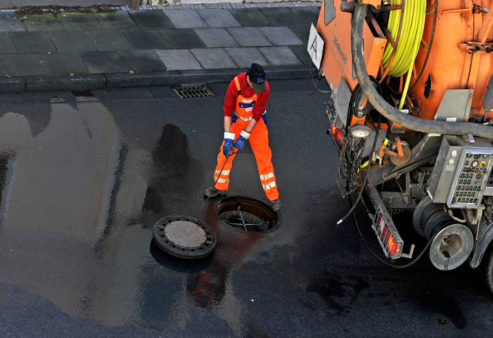
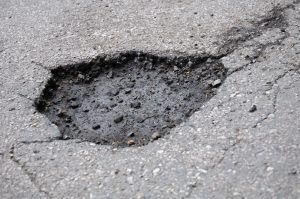 Proper Drainage: Good drainage is necessary to prevent water from collecting on asphalt surfaces. A well-maintained drainage system ensures water flows away from the pavement, reducing the risk of damage. It’s also important to keep these drainage paths clear.
Protecting your asphalt from weather-related damage is a smart investment that saves you time and money in the long run. Regular care, like sealcoating and timely repairs, strengthens your pavement against the elements, extending its lifespan and keeping it in great shape.
At TurnKey Asphalt, we’re here to help you keep your asphalt in top condition. Don’t wait for small issues to turn into expensive repairs. Schedule an inspection with us today, and let’s make sure your asphalt is ready to withstand whatever the weather throws its way.

Table of Contents Key Takeaways Understand Asphalt's Lifespan Proactive Asphalt Maintenance Cycle a. Routine Inspection b. Thorough Cleaning c. Immediate Crack Sealing d. S...

Table of Contents Key Takeaways Why Choose Asphalt? a. Cost-Effectiveness b. Durability c. Installation Speed d. Maintenance Ease e. Visual Appeal The Environmental ...

Avoiding the most common asphalt paving mistakes from the start helps prevent costly repairs and premature deterioration. Issues like improper base preparation, incorrect asphalt thickness, and poo...

Asphalt driveways are popular for their durability, but eventually, they all wear out. Even with good care, there comes a point when maintenance isn’t enough anymore. Here are clear signs it’s time...
Proper drainage in asphalt is necessary for avoiding long-term damage caused by water standing on the surface. Standing water leads to cracks, potholes, and structural damage to the asphalt. Graded...
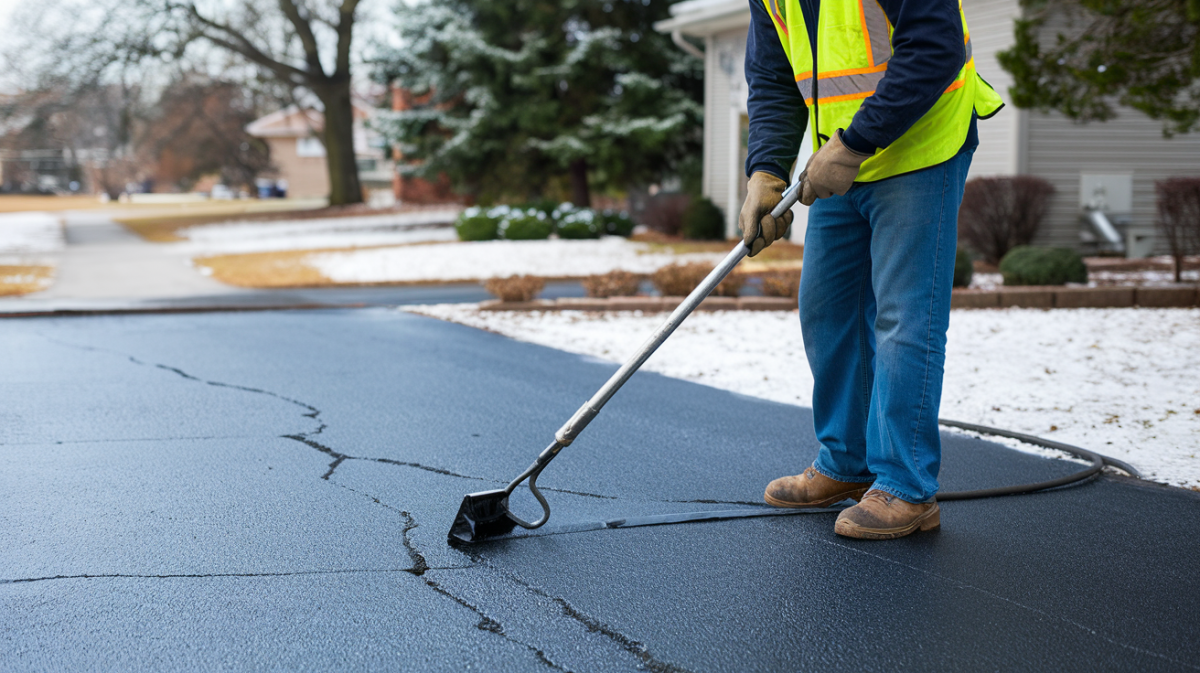
Table of Contents 1. Key Takeaways 2. Recognizing Early Signs of Asphalt Wear a. Identifying Small Cracks and Splits b. Spotting Surface Discoloration and Fading c. Detecting Water P...