 By TurnKey Asphalt
  Oct 4, 2025
 Essential Maintenance Tips to Keep Your Asphalt Looking New
Table of Contents Key Takeaways Understand Asphalt's Lifespan Proactive Asphalt Maintenance Cycle a. Routine Inspection b. Thorough Cleaning c. Immediate Crack Sealing d. S...


Experienced Professionals Delivering High-Quality Asphalt Services


Call Us Today!

How to deal with common asphalt issues like potholes and cracks. Potholes can be addressed with hot or cold patch material, and cracks should be sealed to prevent water damage. Dealing with this early helps asphalt last longer and saves you money in the long run. Regular care not only keeps your surfaces safe but also improves the overall look of your property. With the right guidance, you can avoid costly repairs down the road.
Let our team educate you about what to do about that pothole. Contact us at TurnKey Asphalt.
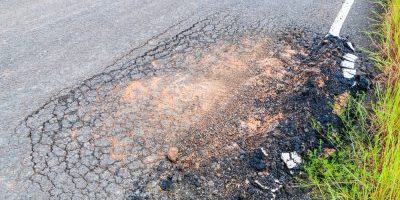
About why asphalt fails. Understanding these fundamental inducing factors is the key to saving your asphalt from all too common fates like cracks, potholes, and surface deformation. Bad installation, traffic, and weather take a toll on the life of your asphalt, especially if it is not maintained. See below for the reasons asphalt fails and solutions.
Water is asphalt’s worst enemy. It seeps into cracks, damaging the base and leading to potholes. To combat this, seal cracks promptly and ensure proper drainage to prevent standing water. Utilize high-quality asphalt mixes and sealants that are resistant to water. Regularly check for pooling and fix drainage issues quickly to avoid costly repairs.
UV rays can dry out asphalt, causing brittleness and cracks, especially in hot areas. Sealcoating every 3 to 5 years protects against UV damage. Opt for reflective coatings and sun-resistant asphalt mixes to minimize heat absorption and aging.
Excessive weight from traffic and trucks can cause cracks and potholes. To prevent this, design roads with thicker asphalt layers in high-traffic areas and stronger sublayers for heavy vehicles. Regularly inspect for damage, especially after extreme weather or heavy use.
A weak base is a major cause of asphalt failure. Proper site preparation, including subgrade compaction and drainage, is essential. Using quality materials for the base layer ensures long-lasting performance. Insufficient base thickness or poor soil quality can lead to early failure, so address these issues during installation.
Know your common asphalt problems. Through routine checks, especially after season transitions, you can identify early indications of damage and avoid expensive repairs down the line.
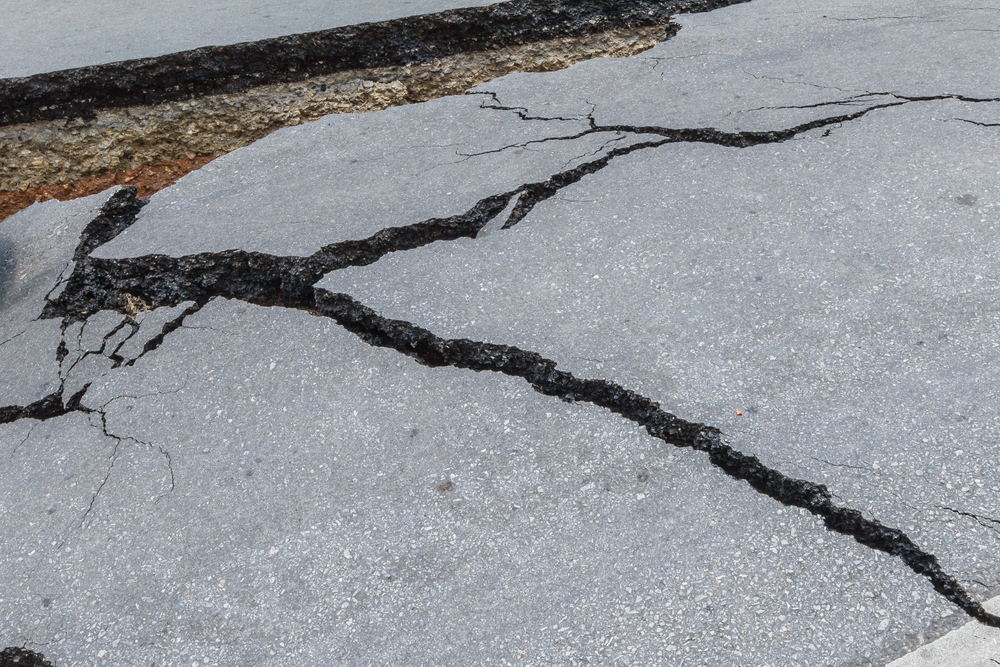
Cracking is a key sign of asphalt stress. Longitudinal cracks run with traffic due to repeated stress and poor joint construction, while block cracking appears as large rectangular patterns from aging asphalt in low-traffic areas. Fatigue or alligator cracking indicates severe structural failure from excess loads or a weak base. Small cracks should be sealed immediately to prevent water damage.
Surface deterioration raveling occurs when the asphalt binder wears away, exposing loose gravel, because of weather conditions and heavy traffic. Oxidation has been hardening the asphalt. The extent of wear diminishes the performance of the surface with time.
Maintenance overlays like seal coats are capable of restoring smoothness and protecting the surface against further damage. Regular surface maintenance is extremely important if the asphalt is to have a longer lifespan.
These develop upon the pavement being undermined by water, and further deterioration will occur if left unattended. When working properly, hot mix asphalt patching is by far the most durable intervention available. Observe areas subjected to high traffic, particularly when seeking early signs of potholes after incidences of rainfall or freeze-thaw cycles.
Deformation is a signal of structural instability. Rutting leaves grooves due to repetitive loading, while shoving causes bulges from horizontal pressure. Depressions develop as weak spots, ponding water that causes more damage. Prompt correction would uphold the stability of the pavement.
Most asphalt problems arise from improper drainage. Ponded water indicates grading and slope issues that accelerate cracking and potholes. Proper drainage management is key to minimizing long-term damage.

Usually, balancing cost with durability and effectiveness makes it quite a necessity to decide how to repair asphalt damage. What is applicable in one case is not necessarily the same in another, which makes the choice dependent on a combination of parameters, including location, weather, and traffic.
For minor cases, some easy-to-use fillers may work to avoid further damage. Cold patching is useful in less heavily trafficked areas, such as driveways. For the best results, follow the manufacturer’s instructions and conduct regular checkups since DIY repairs will require more maintenance.
Always check the company’s credentials and reviews before hiring. Do not sealcoat large areas with serious damage. Seek contractors that specialize in full-depth patching using quality materials such as hot mix asphalt. Professionals can identify hidden foundation issues that may develop into further damage.
Cold patching is the quickest way to make a temporary repair, but it is not very durable. Hot mix asphalt is a permanent solution offering a good lifetime and is less demanding in terms of maintenance cost, especially in high-traffic areas.
Pavement distress, cracks, and potholes are common and yet solvable. Having a basic understanding of why asphalt fails and addressing the issue at an early stage will extend the life of your surfaces. The right choice for the repair method-whether patching, sealing, or resurfacing-will save time and cut costs.
Quality asphalt begins with informed choices and timely actions. Staying on top of minor asphalt issues will prevent expensive replacements and maintain your surfaces in a safe and functional condition. Contact us at TurnKey Asphalt for reliable advice and preparation to hit those asphalt challenges!

Table of Contents Key Takeaways Understand Asphalt's Lifespan Proactive Asphalt Maintenance Cycle a. Routine Inspection b. Thorough Cleaning c. Immediate Crack Sealing d. S...
Table of Contents: Key Takeaways The Recyclability of Asphalt a. Circular Economy b. Landfill Diversion c. Resource Preservation Energy Efficiency in Asphalt Production ...

Table of Contents Key Takeaways Key Contractor Qualifications a. Licensing & Insurance b. Proven Experience c. Client Testimonials d. Material Sourcing e. Equipment Fle...

Table of Contents Key Takeaways Why Choose Asphalt? a. Cost-Effectiveness b. Durability c. Installation Speed d. Maintenance Ease e. Visual Appeal The Environmental ...

Hiring an asphalt contractor might feel like a big task, but with a clear plan, it becomes manageable. By focusing on the right factors, you can find a professional who delivers the results you nee...
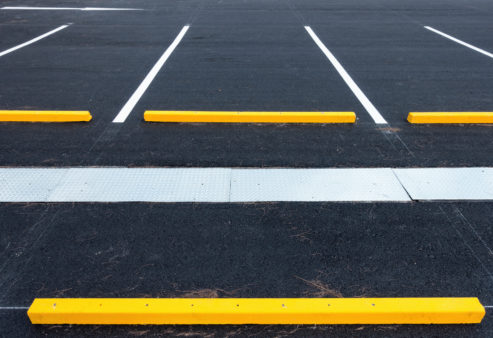
Various factors, including traffic volume, the surrounding environment, and available resources, determine a property's best asphalt paving solution. Typically, residential driveways require a medi...