Various factors, including traffic volume, the surrounding environment, and available resources, determine a property’s best asphalt paving solution. Typically, residential driveways require a medium asphalt mix, while commercial properties with high traffic volumes would require polymer-modified asphalt that is more resilient. This is the case. The temperature and climate of the terrain affect asphalt quality, making it more susceptible to cracking.
The TurnKey Asphalt solution provides property owners with the expertise to choose from the best materials for enduring durability, tailored to their needs. Considering all of these aspects ensures long-term reliability and dependability. Need help selecting the right asphalt? Get in touch with us today for expert guidance and a free consultation.
Why Choose Asphalt Paving?
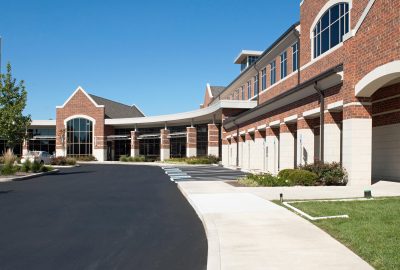
Asphalt is a strong and durable material for paving projects, from apartments to commercial parking spaces. Its cost-effectiveness, durability, and environmental compatibility make it the most popular material.
-
Asphalt’s Recyclability Explained
Most recyclable waste from the US, including asphalt, can be completely recycled. Recycled old asphalt is an eco-friendly choice as it preserves the raw materials.
-
Long-Term Durability of Asphalt
With good care, asphalt will last for 20 to 30 years. It changes dimension with changes in temperature without developing cracks in the process. Protecting surface shields from ultraviolet light, water penetration, and corrosion.
-
Noise Reduction Benefits of Asphalt
Asphalt is sound-absorbing and thus minimizes traffic noise. It is for this reason that it works best in residential areas and business districts where noise is to be contained.
-
Cost-Effectiveness of Asphalt Paving
Asphalt is cheaper to install at first and also less costly to maintain in the long run compared to concrete. Its quick installation and resurfacing options provide long-term savings.
-
Speed of Asphalt Project Completion
Asphalt paving projects are completed faster than most alternatives. A new residential driveway, for example, can typically be finished in one to two days.
-
Asphalt’s Water Drainage Capabilities
The even surface of asphalt enhances water runoff, preventing puddles and reducing the likelihood of hydroplaning. Under harsh weather conditions, its surface reduces water spray, enhancing the sight for motorists and pedestrians.
-
Safety Aspects of Asphalt Paving
The appropriate combination depends on climate, land requirements, and traffic conditions. Each is designed for specific needs to ensure optimal performance and durability.
Asphalt Mix Types Explained
Asphalt’s flat surface improves water drainage, reducing puddles and the risk of hydroplaning. During storms, its surface decreases water spray, increasing vehicle and pedestrian visibility.
1. Understanding Hot Mix Asphalt
The high-grade asphalt, made through high-temperature production, creates a durable surface. It works best for roads, highways, and areas with heavy traffic and extreme heat.
2. Exploring Warm Mix Asphalt Benefits
Made at lower temperatures, lowering emissions, and making it a green alternative. It opens the paving season and is less difficult to work with in cold months.
3. Cold Mix Asphalt Applications
Used for temporary repairs and low-traffic areas. It remains pliable and is ideal for patching potholes in winter.
4. Porous Asphalt for Drainage
Designed for enhanced water drainage, making it suitable for parking lots, walkways, and storm-prone areas.
5. Coarse-Graded Asphalt Uses
Offers superior durability and is used for base layers in multi-layer paving applications like highways and industrial lots.
Common Asphalt Pavement Issues and Solutions
Even the best asphalt surfaces experience wear over time. Identifying and addressing problems early prevents costly repairs.
Alligator Cracking
A pattern of cracks resembling alligator skin, typically caused by a weak base. Repairs involve removing and replacing the damaged area.
Slippage Cracks
Crescent-shaped cracks are due to poor bonding between asphalt layers. Applying a thin overlay with a tack coat fixes the issue.
Edge Cracks
Occur along the pavement edge, often due to poor drainage. Sealing them prevents further water infiltration.
Block Cracking
Large, square cracks from aging asphalt or temperature fluctuations. Seal coating or overlays can restore the surface.
Longitudinal & Transverse Cracking
Resulting from poor construction or thermal expansion. The hot rubberized sealant fills these cracks effectively.
Potholes
Caused when water freezes and expands under the pavement. Cold or hot asphalt patches repair potholes and prevent further damage.
Depressions
Low areas that collect water, often due to inadequate compaction. Milling and repaving resolve the issue.
Base Failure
Large, deeply cracked areas result from poor drainage or weak foundations. The damaged section must be removed and the base stabilized before repaving.
Asphalt Repair and Maintenance
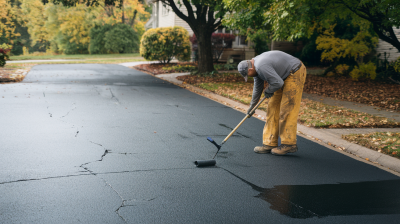
Regular maintenance extends asphalt’s lifespan and keeps it in top condition. Different methods address specific issues.
- Crack Filling: Seals small cracks to prevent water infiltration, using rubberized asphalt or other flexible materials.
- Sealcoating: Protects against oxidation and UV damage while restoring asphalt’s dark appearance. Recommended every 2–3 years.
- Milling: Resurfacing removes the uppermost layer to even out surface flaws before paving again.
- Patching: Repairs limited damage, such as potholes or alligator cracks, with hot or cold mix asphalt.
- Overlays: Lay new asphalt on top of the present surface, giving the benefit of rehabilitation of pavement inexpensively.
Steps for Asphalt Installation
Proper installation ensures asphalt longevity and performance. Each step is critical for a smooth
- Removing Old Pavement: The old material is milled away to create a stable base.
- Cleaning the Area: The area is cleared of debris to provide good adhesion.
- Repairing the Foundation: The sub-base is compacted and stabilized to avoid future cracking or shifting.
- Filling and Compacting: The selected asphalt mix is applied and compacted with heavy rollers to create a uniform surface.
Asphalt Paving for Different Project Types
The best asphalt paving solution varies based on project needs. Each type requires specific materials and maintenance strategies.
Commercial Paving Projects
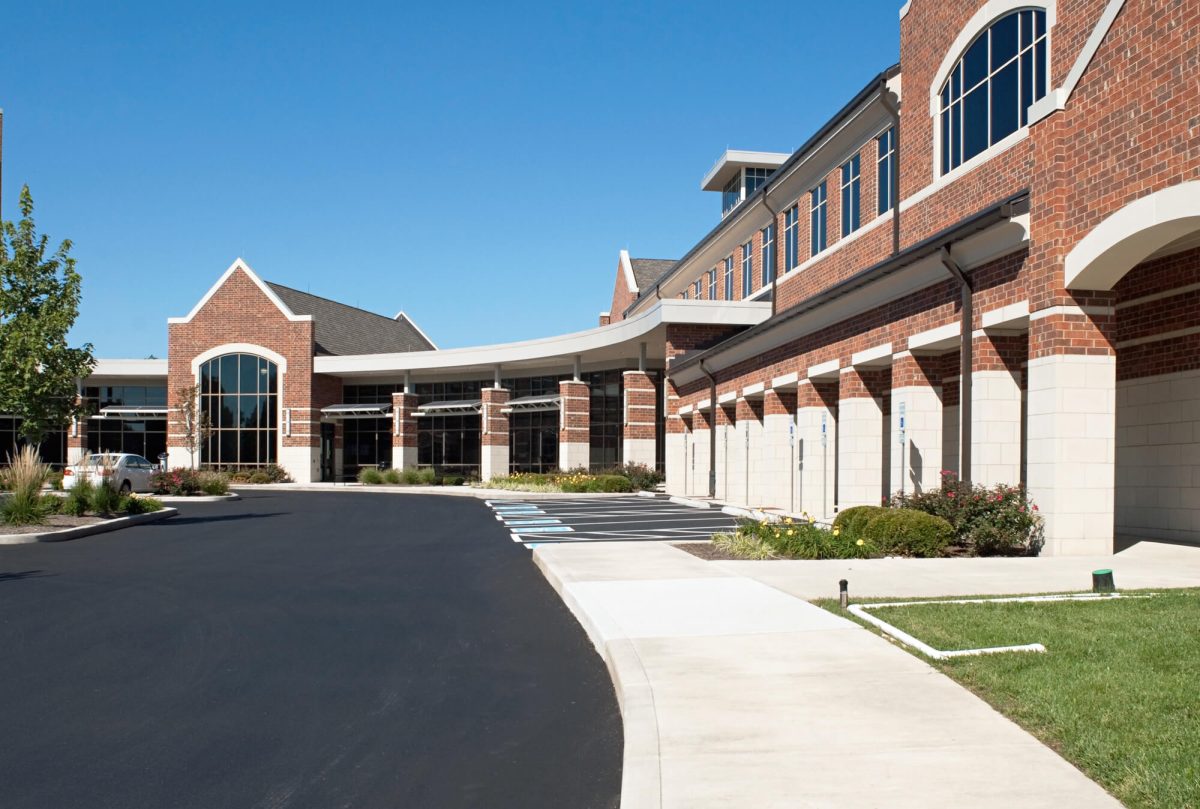
Parking lots, shopping malls, and industrial sectors necessitate long-lasting materials like everlasting pavement or permeable asphalt to accommodate heavy traffic and stormwater management.
Residential Paving Projects
Driveways are improved with medium asphalt mix or stone-mix asphalt, which reduces noise and enhances curb appeal.
Municipal and Roadway Projects
Highways, city streets, and public sidewalks require strong asphalt that will resist constant use and harsh weather conditions.
Factors Influencing Asphalt Selection
Several factors influence the selection of asphalt pavement for long-term performance and cost. Each’s durability and appropriateness add to the property.
The residential complex has a balance of aesthetics and durability. Specialized mixtures can reduce cracking while maintaining curb attractiveness.
HMA performs well in cold climates, while warm mix asphalt (WMA) suits moderate conditions, reducing energy consumption.
A strong, stable subbase prevents settlement and cracking. Clay-heavy soils may require extra stabilization.
Proper slopes and drainage systems prevent water damage, improving pavement longevity.
-
Recycled Asphalt Integration
Recycled asphalt pavement (RAP) lowers expenses and environmental effects while preserving structural strength.
Local codes may mandate recycled materials and sustainability practices, influencing asphalt selection.
Experienced contractors ensure proper installation. Checking references and certifications helps verify expertise.
Sustainable Asphalt Paving Options
Sustainable asphalt paving solutions are ideal for green construction and provide long-lasting, robust results. Positive actions involve both environmental and long-term sustainability initiatives.
Asphalt Recycling Benefits
Asphalt recycling conserves resources and saves money. RAP reduces landfill waste while maintaining pavement strength.
Reducing Carbon Footprint
WMA production lowers energy use and emissions. Sourcing local materials further minimizes environmental impact.
Eco-Friendly Asphalt Mixes
Rubberized asphalt and plant-based binders improve flexibility and durability while decreasing dependence on petroleum, making them suitable for urban and residential uses.
Sustainable Asphalt: Strong, Eco-Friendly, and Built to Last
Selecting the proper asphalt provides durability, efficiency, and sustainability. From residential driveways to commercial lots, making informed choices results in smoother installations and long-term value.
Whether you’re upgrading a small path or paving an entire parking lot, expert guidance makes all the difference. Quality asphalt doesn’t just look better—it performs better under pressure and lasts longer with less upkeep.
TurnKey Asphalt provides professional paving with environmentally friendly techniques for long-lasting results. Let’s build a long-lasting, affordable solution—call us today!



 By TurnKey Asphalt
  Jul 17, 2025