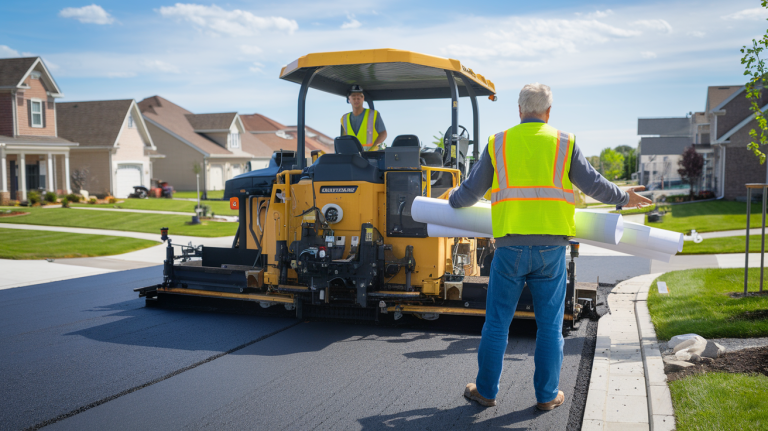


Most people think that asphalt pavement mixture is all the same but this misperception should be debunked as asphalt mix comes in different varieties. asphalt is made of different combinations based on where they will be used. Some factors need to be considered before deciding which asphalt mix will be used. That’s why relying on experts is best as they can evaluate the needs of the pavement or projects.
Trust TurnKey Asphalt to evaluate your needs and provide the perfect mix for your project. Contact us today for a consultation!
The Myth: One Size Fits All Asphalt
Asphalt is a critical material in construction, widely used for paving roads, parking lots, and driveways. However, a common misconception persists: the belief that one type of asphalt fits all needs. This myth can lead to costly mistakes and suboptimal pavement performance. In reality, different applications require specific asphalt mixes tailored to their unique demands.
Common Myths
- Many believe all asphalt is the same. This myth leads to costly mistakes in pavement installation. Different areas need specific asphalt mixes.
 Asphalt’s versatility allows for various applications, from parking lots to highways. Yet, choosing the wrong mix can shorten a pavement’s lifespan. For instance, high-traffic areas require a durable mix that withstands constant use.
Pavement Technology
- Advancements in pavement technology have introduced new mixes. These are designed for specific needs like reducing potholes or enhancing safety.
- Recycled tires are used to make rubberized asphalt, which has higher durability and crack resistance. It’s a sustainable solution for areas with high temperatures. This invention emphasizes how crucial it is to choose the appropriate asphalt mix for every job.
Fact vs. Reality
- The truth is, there’s no universal asphalt solution. Factors such as climate, traffic volume, and maintenance expectations dictate the best choice.
- For parking lots, a mix resistant to oil spills and heavy loads is essential. Conversely, residential roads benefit from materials prioritizing smoothness and noise reduction.
Understanding Asphalt Mix Components
Asphalt is more than just a black, sticky substance, it’s a carefully engineered material designed to meet the specific needs of different projects. By understanding the components of asphalt mixes, we can make informed decisions that enhance pavement performance and longevity.
Aggregate Types
Any asphalt mix’s foundation is made up of aggregates, which provide it strength and longevity. They range in size and form from big stones to thin sand. The particular requirements of the project, such as traffic volume and load, will determine the choice of aggregate.
The right aggregate mix enhances pavement longevity. It also improves resistance to weather conditions and heavy use.
Binder Grade
The binder, usually bitumen, holds the aggregate together. Its grade determines the asphalt’s temperature range before it becomes too brittle or too soft. High-traffic areas need a stronger binder to withstand deformation.
Selecting an appropriate binder grade ensures resilience against temperature fluctuations. This choice directly impacts maintenance frequency and costs.
Mix Design
The exact science of asphalt mix formulation balances various elements for the best results. It entails varying the amounts of binders, aggregates, and occasionally additions like fibers or recycled materials.
This process tailors the mix to specific environmental conditions and usage demands. A well-designed mix reduces repairs and extends pavement life.
Why Different Asphalt Mixes Exist
Asphalt mixes vary to adapt to different climates. Hot mix asphalt works best in warm climates as it needs high temperatures for proper compaction. Cold mix asphalt suits cold areas since it can be applied at lower temperatures. Hot mix asphalt requires summer or spring weather for effective application. This limitation makes cold mix asphalt vital for winter repairs.
 Heavy-duty mixes support roads with high traffic volumes, withstanding the pressure from trucks and large vehicles. Lighter mixes suffice for residential areas or walkways where heavy loads are rare. Highways use stone matrix asphalt because of its durability under constant heavy use. In contrast, parking lots often utilize a finer, less robust mix.
Eco-friendly asphalt mixes reduce environmental impact. Warm mix asphalt lowers the production temperature, cutting down on fuel consumption and emissions.
The Benefits of Choosing the Right Mix
Choosing the right asphalt mix is essential for maximizing the benefits of any paving project. Understanding the specific requirements and selecting an appropriate mix can lead to significant advantages in performance, cost efficiency, and environmental impact.
Quality Performance
Selecting the right asphalt mix boosts quality performance. It ensures the pavement can withstand various stresses, from heavy traffic to extreme weather. This choice directly impacts the life and work of the surface. Businesses benefit from reduced repair costs. Public works see longer-lasting roads. Both outcomes stem from choosing a mix that suits the specific need.
Cost Efficiency
Investing in the correct asphalt mix saves money long-term. Initial costs may be higher for premium materials, but they reduce expenses on future repairs and maintenance. This makes it a wise investment for any project, large or small. Recycled materials often feature in top-quality mixes, further cutting costs. They also lessen the environmental impact by saving on new materials and energy.
Environmental Impact
Choosing an asphalt mix with recycled materials significantly reduces waste and conserves natural resources. It’s a step towards sustainable construction practices. Businesses and public works can improve their environmental footprint through this simple choice. Water management improves with the right mix, controlling runoff and reducing pollution. This is crucial for projects in sensitive areas.
How to Choose the Right Asphalt Mix
Understanding specific project requirements is crucial. High-traffic areas demand durable mixes, like Stone Matrix Asphalt (SMA). SMA withstands heavy loads, making it ideal for highways. Residential areas benefit from Hot Mix Asphalt (HMA). HMA offers a balance between cost efficiency and longevity. It’s suitable for driveways and local roads.
 Local weather patterns significantly influence mix selection. Cold climates require asphalt with anti-cracking properties. Polymer-modified asphalts resist temperature-induced damage effectively. Conversely, warm climates demand asphalt that won’t melt in extremely hot weather. Superpave asphalt combinations are designed to perform well in situations like this, maintaining their structural integrity throughout the year.
Eco-friendly options are increasingly important. Warm Mix Asphalt (WMA) reduces greenhouse gas emissions during production. WMA uses lower temperatures, cutting fuel consumption and lowering the carbon footprint. Reclaimed materials are used to create new pavements with Recycled Asphalt Pavement (RAP). RAP is a sustainable option because it preserves natural resources and lessens the amount of waste that ends up in landfills.
Maximize Pavement Potential: Get the Perfect Mix Solutions Today!
Choosing the right asphalt mix is essential for maximizing the benefits of any paving project. Understanding the specific requirements and selecting an appropriate mix can lead to significant advantages in performance, cost efficiency, and environmental impact.
Trust TurnKey Asphalt to pave the way for your project’s success. Contact us today to ensure you’re getting the perfect mix for your pavement needs!